Weaving East African Traditions: A Textile Journey
Updated: Jul 6, 2025

East Africa’s rich heritage is woven into its people's clothes. From Kenya’s striped kikoy wraps to Uganda’s revered barkcloth, vibrant fabrics carry history and meaning. These textiles are not just clothing, they are living art, each pattern and proverb telling a cultural story. By exploring Kenya, Tanzania, Uganda, Rwanda, and their neighbors through the lens of fabric, travelers can experience local traditions firsthand and add colorful memories to their journeys
Kenya: Stripes and Wax Prints
Kenyan textiles blend the coastal Swahili heritage with inland tribal designs. The kikoy is a stiff cotton sarong originally from the East African coast. It features bold, evenly spaced stripes in bright colors. Coast men and Maasai women alike wrap kikoys around their waists or use them as shawls, baby carriers, or towels. You may even spot kikoy fabric used as cushion covers or table runners in Kenyan homes. Tourists often take kikoys home as beach sarongs or scarves, drawn to their easy-care cotton and eye-catching stripes.

Another iconic Kenyan fabric is the kitenge (also called chitenge), a brightly printed cotton similar to West African “wax prints.” Women wear kitenge wraps as skirts, dresses, or headscarves. The cloth is lavishly patterned in floral or geometric motifs and often includes border edging. In coastal areas like Mombasa, some khanga-like kitenges even carry Swahili sayings along the border. Makerya markets stock yards of kitenge by the bolt, and local tailors will stitch a custom dress, shirt, or handbag from your choice of print. These versatile wax fabrics brighten weddings, ceremonies, and everyday life across Kenya.
The Maasai shuka – a thick red (often striped) blanket – is affectionately known as the “African blanket.” It is a hallmark of Maasai culture in Kenya (and Tanzania). A red-and-black checked shuka draped over the shoulders instantly evokes images of warrior clans on the plains. Today, Maasai and other Kenyans still wear these blankets for warmth and identity. Visiting a Maasai village or the Maasai Market in Nairobi, you’ll see walls of shukas for sale alongside beadwork and carvings.

Across Kenya, textiles are proudly on display at cultural centers and markets. For example, Nairobi’s City Market and nearby Maasai Market are treasure troves of fabric. One guide notes that “Nairobi City Market is a great place to find souvenirs, from traditional fabrics to carved wooden masks.” Travelers shopping here can haggle for Kikoy, kitenge, kikoi towels, or Maasai shukas, often with a tailor on hand to sew their purchase into clothing.
Tanzania: Kangas, Kitenges, and More
In Tanzania (including Zanzibar), the most famous textile is the kanga – a large cotton cloth printed with a central motif, a colourful border, and a Swahili proverb or saying. Kangas are ubiquitous in Tanzanian life and are often called the “talking cloth.” Women wear them as skirts, wraps or headscarves and use them for everything from baby slings to home décor. Each kanga has a mji (motive), a pindo (border) and a jina (name) – a printed message. Common phrases like “Hakuna matata” (“no worries”) or “Akiba haiozi” (“savings never spoil”) brim with wisdom across these fabrics. Matched kangas worn by a group of women symbolize unity and sisterhood in ceremonies.

Brightly colored kangas hang to dry on Zanzibar’s beach – each patterned cloth carries a Swahili proverb and vibrant design. Kangas were originally block-printed on Indian cloth, but today are mass-produced by roller-printing. On the coast, from rural villages to Stone Town markets, kanga colors – pinks, blues, greens dazzle in the sun. Tourists in Zanzibar often buy matching sets of kangas as shawls or wall hangings. Beyond fashion, kangas are cherished heirlooms passed from mother to daughter, carrying memories of celebrations and travel.

Assorted kitenge cotton prints at a Tanzanian market stall. Tanzania is also awash in kitenge fabrics. These colourful African wax prints (similar to but thicker than kangas) come in dozens of patterns featuring animals, flowers, or geometric shapes. Women wear kitenge dresses and skirts often trimmed with lace or embroidery, and men wear them as shirts or kanzu robes. Tailors in Dar es Salaam and Arusha keep tunics and dashikis in stock, stitching kitenge into modern suits, pants or hats. Shopping in Tanzania often means sifting through piles of bold kitenge cloth and getting it tailored on the spot, much like in Kenya and Rwanda
Men’s formal wear is also rooted in tradition. The Tanzanian kanzu is a long white cotton robe worn by Swahili and Muslim men. It embodies a simple elegance and is often paired with a matching embroidered cap (kofia). The pure white kanzu speaks to national pride and is seen at weddings, church, and mosque gatherings across the country.
Uganda: Barkcloth and Beyond
Uganda’s most iconic textile is ebibala (barkcloth) – a non-woven fabric made by hand-beating the inner bark of the wild fig tree (Mutuba) until soft. Barkcloth is so deeply woven into Buganda culture that UNESCO inscribed “Barkcloth making in Uganda” on its Intangible Heritage list. Traditionally, only special craftsmen of the royal Ngonge clan mastered the ancient process. The orange-brown cloth is worn like a toga: men wrap it around their bodies and women fashion it into voluminous skirts, often secured with a sash. For kings and chiefs, the same bark is dyed white or black to denote their status, and worn at coronations and funerals.

Barkcloth’s uses extend beyond clothing; it was once the bed covering for kings and even became curtains or mosquito nets. Although cotton clothing largely replaced barkcloth after the 19th century, modern Ugandans still prize it for ceremonies. Today, you’ll see barkcloth given at traditional weddings and National Day events. Craft cooperatives around Kampala make it into lampshades, placemats, and even guitar straps, reviving the craft as both art and livelihood.
Uganda’s textiles also connect to tourism adventures. For example, Yimba Uganda, a youth fashion collective, offers “African Fabric Market Tours” in Kampala. Travelers join young designers to hunt for kitenge prints in bustling downtown markets. After picking fabric, each visitor sits with a Yimba tailor to sketch and sew a custom garment. Not only does this tour supply visitors with personalized souvenirs, but 100% of profits go back to training Uganda’s youth artisans. It’s a hands-on experience weaving tourism with economic empowerment.
Rwanda and Beyond
Rwanda may not have a unique ancient textile like barkcloth, but its people eagerly embrace the region’s fabrics. Kigali’s markets, especially the sprawling Kimironko Market, overflow with kitenge and colorful batik cloth. Stalls pile bolts of printed cotton in every hue. Local tailors work right in the market, whipping up dresses, skirts, and shirts from the fabrics travellers choose. National Geographic notes that Kigali vendors will pull fabrics from high shelves as you haggle, and that “tailors in the marketplace or at local tailor shops can transform [the fabric] into eye-popping perfection. In other words, visitors can enter with a roll of cloth and leave with a freshly stitched Rwandan dress. While Rwanda’s own traditional garment is the imikenyero (colorful cap) or basketry like agaseke, today many Rwandans wear East African wax prints for everyday and special events.
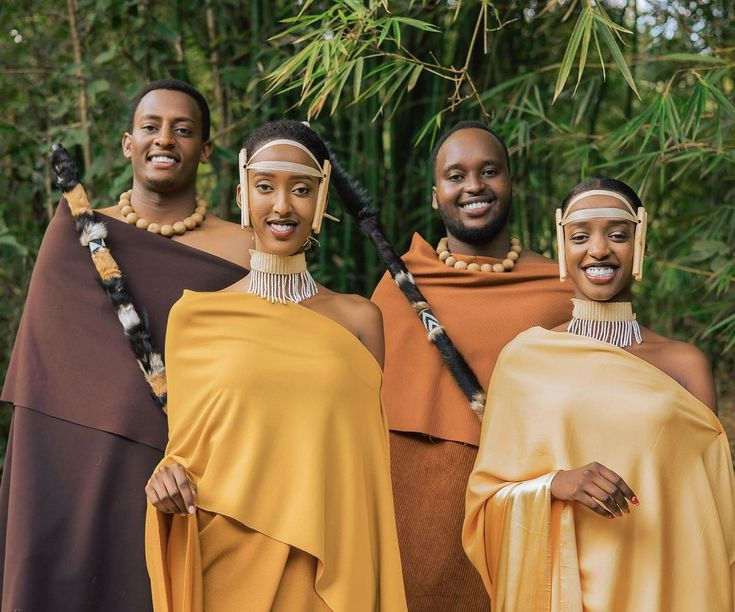
Neighboring countries also add to the tapestry of East African textiles. In Burundi and the Democratic Republic of Congo, you’ll find the same kitenge wax prints popular across the Great Lakes region. And in Ethiopia, handwoven cotton shawls like the netela and gabi carry deep cultural meaning. The netela is an ivory cotton scarf often worn for church and celebrations, while the gabi is a heavier blanketing cloth used in highland ceremonies. These threads show that from Kilimanjaro to Addis Ababa, communal identity is expressed through cloth.

Textiles as Tourism
Across East Africa, traditional fabrics are increasingly woven into travel experiences. In urban centres like Nairobi and Dar es Salaam, shopping tours highlight textile markets and tailors. Cultural centers and museums host exhibitions on fabric heritage: for instance, the National Museums of Kenya created a “Kanga: Cloth That Unites” exhibit exploring the history and meaning of kangas. Safari lodges and community tours often include stops at village cooperatives where artisans demonstrate weaving and dyeing.
Market and fashion tours: Guided trips like Kampala’s Yimba textile tour or Nairobi craft walks include visits to fabric stalls and tailors. Participants learn to spot quality prints and even commission outfits on the spot. In Tanzania, Zanzibar’s Forodhani Market and Uhuru Bazaar are informal “fashion hubs” where tourists find batik pareos and kangas by the bolt.
Workshops and classes: Tour operators can offer fabric workshops as hands-on activities. Imagine joining a Maasai mother in Amboseli to dye leather straps, or attending a batik painting class in Arusha using local dyes. Such immersive experiences, painting a kanga proverb, weaving a small mat, or hand-beating barkcloth, turn souvenirs into memories and skill-sharing.
Cultural festivals: Organizers can incorporate fabrics into events. Kenya and Tanzania already hold fashion weeks (some with kitenge runway shows). Festivals could add textile-themed nights: fashion parades of kanga gowns, kitenge tie-dye competitions, or Ikat weaving demonstrations. Street food fairs might sell cloth bags featuring traditional prints.
Heritage trails: Local governments might map “textile heritage walks,” linking historical markets, workshops, and monuments. For example, a Nairobi tour could start at City Market, pass through a Gikomba kitenge market, and end at a textile museum or the site of a famous textile importer. In Uganda, a trail through Kampala could highlight a barkcloth workshop, an outdoor market, and the historic Kasubi tombs (where Buganda kings’ barkcloth robes were laid to rest).
By blending commerce with culture, these ideas invite travellers to participate in East African heritage rather than just observe it. A hands-on dye class on the Tanzanian coast or a weaving demo in a Ugandan village lets you, as a visitor, feel the textures of tradition. Meeting local artisans – whether Maasai weavers or Rwandan dyers will foster personal connections.

Conclusion
As we have seen, East African fabrics are more than commodities: they are vibrant expressions of community and history. Each kanga proverb, each barkcloth beat, each stripe of a kikoy is a thread in the region’s story. As travellers who explore Kenya, Tanzania, Uganda, Rwanda, and beyond through textiles, you will discover something special, a living culture you can wrap yourself in. By shopping in markets, learning to weave or dye cloth, and wearing local prints, visitors honor the artistry of East Africa. We encourage wanderers to embrace these traditions: let the colors of East African cloth guide your journey. In doing so, you help keep the looms busy and the heritage alive, ensuring that every traveller leaves with more than a souvenir, with a piece of East Africa’s soul.
Ready to experience East Africa’s vibrant culture firsthand? Book your tailor-made cultural tour with Silverback Africa and immerse yourself in textile markets, artisan workshops, and traditional fashion shows across Kenya, Tanzania, Uganda, and Rwanda. Whether it’s learning to tie a kanga, weaving your own kikoy, or meeting local designers, we’ll craft an unforgettable journey woven with authentic experiences.
Contact Silverback Africa today and let the colors of East Africa guide your adventure!


Comments