From Bean to Brew: The East African Coffee Story You Need to Taste
- Imeru Wambui
- Aug 5, 2025
- 5 min read

East Africa is the spiritual and literal home of coffee. This region is not just where the coffee bean was born; it’s where it continues to flourish, evolve, and inspire. Across Ethiopia, Kenya, Uganda, and Rwanda, coffee isn’t just a beverage. It’s a way of life, a cultural rite, a source of national pride, and a vital thread in the economic fabric of millions of households.
Coffee here grows in rich volcanic soils, nurtured by high altitudes, tropical climates, and centuries-old farming knowledge passed down through generations. But the story of East African coffee isn’t just about terroir, it’s about people. From women-led cooperatives in Rwanda to heritage ceremonies in Ethiopia, from smallholder farms in the Kenyan highlands to the lush slopes of Uganda’s Mt. Elgon, coffee brings communities together and connects East Africa to the world.
For travelers, coffee offers an immersive way to experience the land: through farm tours, cupping sessions, scenic hikes, and moments of connection with the very farmers who grow the beans. For connoisseurs, East African coffee is synonymous with clarity, brightness, floral and fruity notes, and complex depth attributes that define some of the finest cups in the world.
In this blog, we journey through East Africa’s rich coffee story, exploring ancient legends, breathtaking farms, distinctive flavor profiles, and the growing impact of this golden bean on economies, cultures, and conscious travel.
1. Ethiopia: The Birthplace of Coffee
Ethiopia is where it all began. According to legend, a 9th-century goat herder named Kaldi noticed his goats became hyperactive after nibbling on red berries from a certain tree. That tree would come to be known as the coffee plant (Coffea arabica).
But beyond legend, Ethiopia still grows coffee wild in its forests, especially in Kaffa, the region that lent its name to the drink itself. Coffee is a national symbol and an everyday cultural experience here.
Experience: The Coffee Ceremony
The Ethiopian coffee ceremony is a vital tradition where raw green beans are roasted, ground, and brewed in front of guests. Served three times (Abol, Tona, Baraka), it’s a ritual that embodies patience, hospitality, and storytelling.
Flavor Profile
Ethiopian coffees, especially from Yirgacheffe, Sidamo, and Harrar, are known for their floral aromas, fruity acidity, and tea-like delicacy. Think jasmine, bergamot, blueberry, and lemon zest in your cup.

2. Kenya: Precision, Power, and Prestige
Kenyan coffee is often considered the most refined and complex in the world. Unlike Ethiopia, where coffee is deeply cultural, Kenya's coffee story is more scientific, commercial, and quality-driven, and it shows in the cup.
Grown on the fertile red volcanic soils of central Kenya at high altitudes (1,500–2,100m), most Kenyan coffee is processed through a meticulous wet method that ensures cleanliness and clarity of flavor.
Grading Excellence
Kenyan beans are graded by size and quality, with AA being the largest and most prized. Auction systems and cooperatives dominate the trade, helping ensure high standards.
Flavor Profile
Expect bright acidity, juicy blackcurrant or citrus notes, and a rich full body. Coffee from Nyeri, Kirinyaga, or Embu often exhibits winey, tangy, and complex characteristics that coffee aficionados love.
Travel Tip
Many Kenyan farms near Mt. Kenya or Aberdare Ranges offer farm tours, roasting demos, and cupping sessions. Try visiting Karatina or Thunguri factories for an authentic cooperative experience.
3. Uganda: Robusta Roots and Arabica Renaissance
Uganda is one of Africa’s top coffee producers and the birthplace of Robusta, the hardier cousin of Arabica. But in recent years, Ugandan Arabica grown in highlands like Mt. Elgon, Rwenzori, and Kisoro is gaining recognition for its smooth, balanced, and chocolatey profile.
Arabica vs. Robusta
While Robusta is mostly exported for commercial use (and instant coffee blends), Arabica is cultivated at higher altitudes (1,400–2,300m) and hand-picked for specialty markets.
Flavor Profile
Arabica from Mt. Elgon and Rwenzori delivers a mellow acidity, chocolate undertones, hints of stone fruit, and sometimes spice. Robusta, on the other hand, is bold, earthy, and highly caffeinated
Experiential Travel
Uganda’s coffee trails around Sipi Falls or Mbale allow visitors to harvest beans, wash, dry, and roast coffee with local farmers. Plus, the scenic waterfalls, caves, and ancient volcanoes makes the journey unforgettable.
4. Rwanda: The Comeback Coffee
Rwanda’s specialty coffee journey is one of rebirth and empowerment. Following the 1994 genocide, coffee became a catalyst for reconciliation, reconstruction, and international trade. With government and NGO support, smallholder farmers began producing high-quality Arabica, mostly Bourbon varietals.
Today, Rwanda is globally recognized as a premier specialty coffee origin, and its clean, bright, sweet coffees are in high demand.
Women's Cooperatives
Many cooperatives are women-led, giving female farmers access to leadership, fair income, and global networks. Coffee here isn't just an export — it's a symbol of resilience and inclusion.
Flavor Profile
Rwandan coffees, especially from Nyamasheke, Gakenke, and Gisenyi, are elegant, floral, and citrusy, often with creamy or silky textures and orange blossom notes.
Farm Visits & Tours
You can tour washing stations near Lake Kivu, visit women-run cooperatives, and even participate in cupping sessions with local experts.

5. Coffee’s Economic Importance in East Africa
Coffee is a lifeline for millions of East Africans. In each of these countries, coffee contributes significantly to national GDP and rural employment:
Ethiopia: 15 million people depend on coffee; it's the country’s largest export.
Kenya: Over 600,000 smallholder farmers grow coffee, mostly through SACCOs.
Uganda: Coffee is the #1 export crop, sustaining around 1.7 million households.
Rwanda: Coffee accounts for a third of agricultural exports, with a focus on premium-grade beans.
But challenges persist: price volatility, middlemen, climate change, and outdated infrastructure. However, with direct trade models, farmer training, and local roasting, East Africa is slowly shifting toward value-added coffee economies where locals benefit not just from growing the bean, but from the full supply chain.
6. Visiting a Coffee Farm in East Africa: What to Expect
Visiting a coffee farm is one of the most enriching travel experiences East Africa offers. Here's what you can typically do:
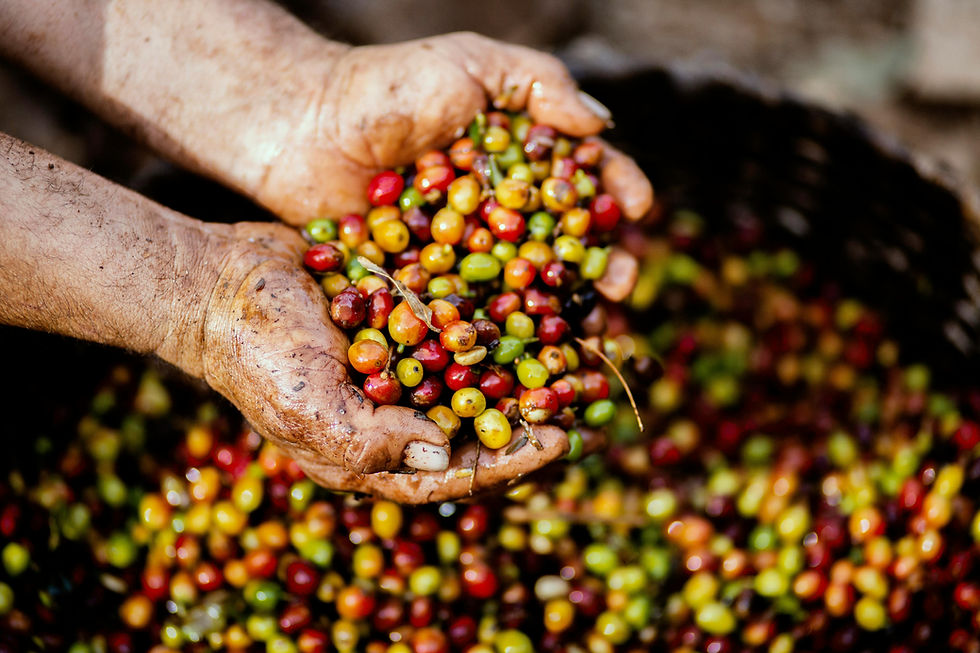
Harvest ripe cherries during picking season (usually October to December).
Sort, pulp, and ferment the beans using traditional or wet processing.
Dry beans on raised beds, then learn how they’re milled and graded.
Roast and taste coffee right on the farm — fresh from tree to cup.
Engage with farmers, hear their stories, and understand their challenges.
Coffee tourism is growing, and supporting it helps promote ethical sourcing, community upliftment, and cultural exchange.

7. Flavor Guide: East Africa in a Cup
Country | Region(s) | Tasting Notes |
Ethiopia | Sidamo, Yirgacheffe, Harrar | Floral, citrus, bergamot, blueberry, tea-like |
Kenya | Nyeri, Kirinyaga, Embu | Bright acidity, winey, blackcurrant, grapefruit |
Uganda | Mt. Elgon, Rwenzori | Chocolatey, earthy, smooth, stone fruits, spicy |
Rwanda | Nyamasheke, Gakenke, Gisenyi | Citrus, creamy body, floral, orange blossom, honeyed |
Final Brew: More Than a Morning Routine
East African coffee is not just about caffeine it's about culture, craftsmanship, community, and conservation. Whether you're planning a trip to Sipi Falls, joining a cupping session in Kigali, or sipping a Nyeri AA at home, you're part of a much bigger story.
So next time you fill your mug with beans from East Africa, know this: you’re not just tasting coffee you’re tasting history, landscape, and the future of a continent.


Comments